
Snot Suckers
Are nasal aspirators helpful or gimmicks?

I am frequently asked about nasal aspirators on my social media platforms. Back when I was a new mum, the only option was a bulb syringe. Things have moved on since then!
Whether it’s a bulb syringe, a NoseFrida-style device, or an electric aspirator, nasal aspirators have become a staple in many Irish homes with babies and toddlers.
Parents often describe them as life-changing. Others describe them as medieval torture devices.
As a paediatrician, I like to take a step back, and look at the benefits, the risks, and the evidence. So here’s a run through of the positives and negatives of snot suckers.
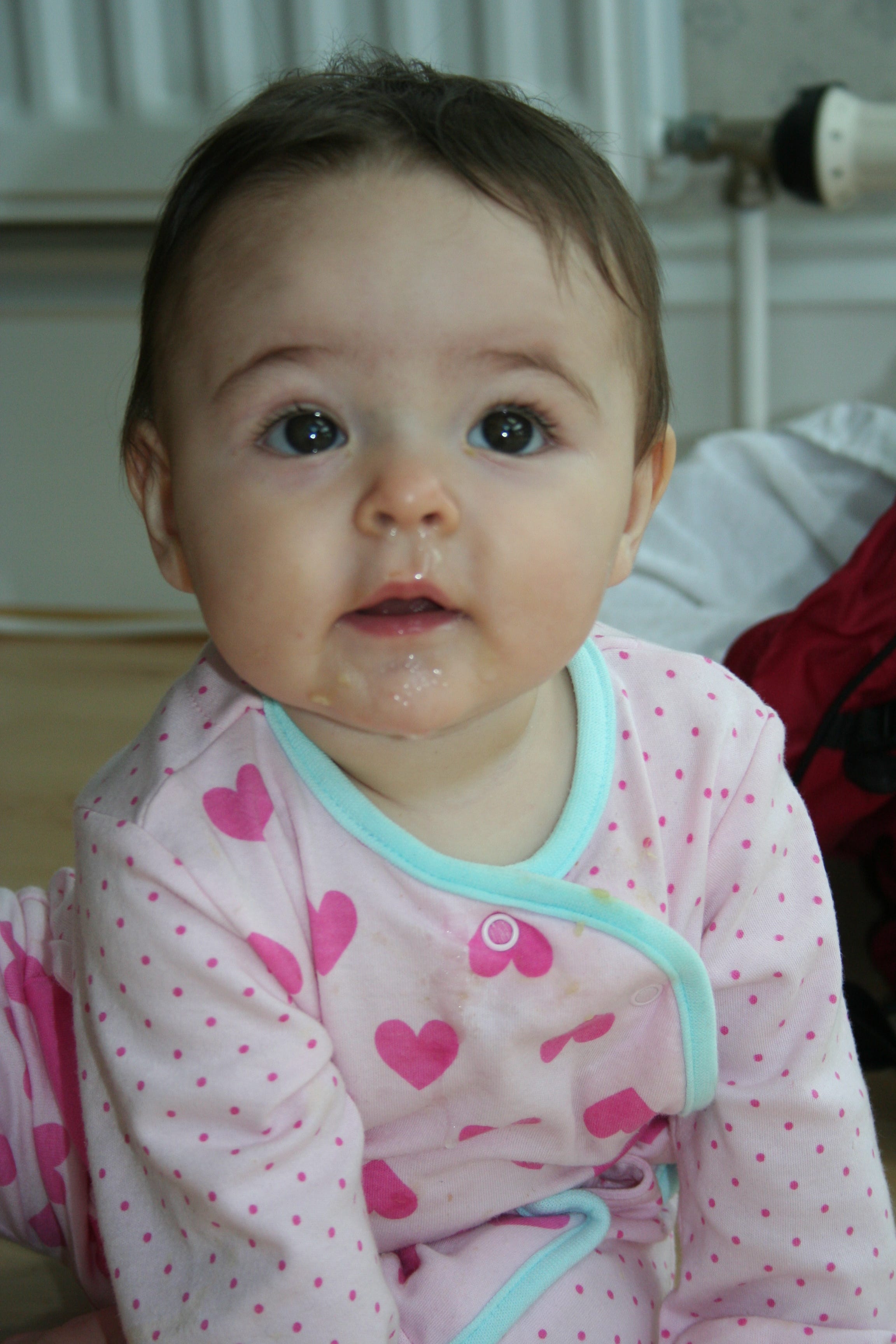
Why do babies struggle so much with a blocked nose?
Adults can breathe through our mouths when we’re congested. Babies are much less efficient at doing this, particularly in the first few months of life. A small amount of mucus can make a baby sound dramatically congested. Because their nasal passages are tiny, even a little swelling or mucus can interfere with:
Feeding
Sleeping
Settling
Breathing comfortably
Importantly, most of the time the congestion is caused by a simple viral infection and will improve on its own. The challenge is helping babies cope while they recover.
Do snot suckers actually work?
Nasal aspirators remove mucus from the front of the nose. When mucus is physically removed, babies often feed more comfortably and sleep better for a period afterwards. Parents frequently report immediate improvement.
However, the scientific evidence is less impressive than the marketing.
The reality is that we have surprisingly little high-quality research showing that nasal aspirators shorten illness, prevent complications, or significantly improve clinical outcomes. Most studies focus on parental satisfaction rather than meaningful medical benefits. The evidence we do have suggests that parents generally prefer nasal-oral aspirators (the ones you suck through a tube) to traditional bulb syringes.
So the answer is:
They can help symptoms.
They do not cure the cold.
They do not prevent bronchiolitis, ear infections, or pneumonia.
The biggest benefit
For many babies, the biggest benefit is feeding. Have you ever tried to drink whilst holding your nose? It’s pretty difficult. Now just imagine you are a baby with a tiny airway and a poor ability to breathe through your mouth. Next to impossible to suck and swallow.
Using saline drops followed by gentle suction before feeds can make a difference in this scenario.
This is why many paediatricians advise suctioning before:
Feeds
Naps
Bedtime
rather than repeatedly throughout the day.
What about saline?
If I could choose only one intervention, I’d choose saline.
A few drops of saline in the nostrils helps loosen thick secretions and often improves congestion on its own. In many cases, saline plus time is all that’s needed.
The aspirator is often an optional extra rather than an essential treatment.
Can you overdo it?
It is possible to overdo suctioning, and cause more hram than good.
The inside of the nose is lined with delicate mucosa. Excessive suctioning can:
Cause irritation
Trigger swelling
Lead to minor nosebleeds
Make congestion seem worse
In other words, aggressively suctioning every hour can create a vicious cycle where the nose becomes increasingly irritated. If your child is comfortable, sleeping, feeding and breathing normally, there is no need to keep suctioning simply because mucus is present. A runny nose is not a medical emergency.
Potential harms
Serious injuries from nasal aspirators are rare.
The main risks are:
Nasal trauma
Pushing the tip too far into the nostril can irritate or damage delicate tissues.
Nosebleeds
Minor bleeding can occur, particularly if suction is frequent or forceful.
Distress
Many toddlers absolutely hate nasal suctioning. The screaming is usually due to discomfort, restraint, and surprise rather than actual injury, but it can still be stressful for everyone involved.
False reassurance
Parents occasionally become so focused on clearing mucus that they miss more important signs of illness such as:
Fast breathing
Chest recession
Poor feeding
Dehydration
Lethargy
The amount of snot is often far less important than how the child is behaving.
What about the manual devices that use your mouth?
This is the question that tends to divide parents into two camps:
“Absolutely not” and “Best invention ever.”
The good news is that modern mouth-operated aspirators contain a filter between the baby and the parent. Studies examining these devices have not demonstrated bacterial contamination reaching the parent’s mouth when the filter is used correctly.
Can parents catch their baby’s virus from a snot sucker?
Theoretically, yes. Practically, probably not much more than they already would.
Most studies of the filters have looked at bacteria rather than viruses. Viruses are much smaller than bacteria, and we don’t have robust evidence proving that no viral particles can cross the system.
However, by the time you’re suctioning mucus from your sick baby:
They have already coughed on you
Sneezed on you
Rubbed saliva on you
Coughed into your face at 3am
Your exposure is already extensive.
There is currently no convincing evidence that using a manual aspirator substantially increases a parent’s risk of catching their child’s cold compared with ordinary close contact. That said, I would avoid sharing devices between children, replace filters as recommended, and wash hands afterwards.
Which type is best?
Bulb syringe
Pros
Cheap
Widely available
No batteries
Cons
Difficult to clean thoroughly
Easy to insert too deeply
Often less effective
Mouth-operated aspirator
Pros
Good suction control
Easy to see what you’ve removed
Generally preferred by parents
Cons
Some parents find them unpleasant
Require filter replacement
Electric aspirator
Pros
Convenient
Consistent suction
Less parent effort
Cons
Expensive
Not clearly superior in clinical outcomes
At present, there is no strong evidence that expensive electric aspirators produce significantly better health outcomes than simpler devices.
My take-home message
Snot suckers can be useful tools, particularly before feeds and sleep. They’re best viewed as comfort measures rather than medical treatments.
For most babies:
Use saline first.
Suction gently if needed.
Avoid excessive use.
Focus on feeding, hydration and breathing rather than the amount of mucus.
And if you’re worried about catching your baby’s cold from a NoseFrida-style device, the reality is that your toddler has probably already sneezed directly into your eyeball.
Disclaimer
This piece is educational and not a substitute for individual medical advice. Babies under 3 months with fever, or any child with breathing difficulties, poor feeding, dehydration, or lethargy should be assessed by a healthcare professional.